Creative development is the process of developing creative abilities through exploration, decision making and expression. Children go through various stages of creative development separate from their physical and intellectual development.
- Game Designer: Game Designers devise what a game consists of and how it plays. They plan and define all the elements of a game: its setting; structure; rules; story flow; characters; the objects, props, vehicles, and devices available to the characters; interface design; and modes of play. Once the game is devised, the Game Designer communicates this to the rest of the development team who create the art assets and computer code that allow the game to be played. Sometimes the Game Designer comes up with the game’s premise. More often, most of the core ingredients are already defined and they must decide how to create the best game using these elements, within a certain budget and timescale.
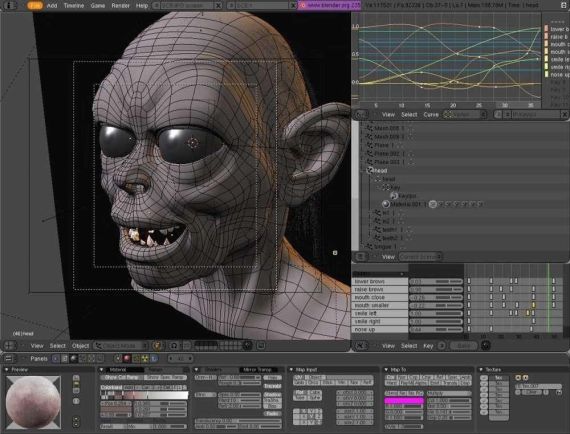
URL's: https://entertaininggames.wordpress.com/tag/game-design/
- Level Editor: The Level Editor defines and creates interactive architecture for a segment of a game, including the landscape, buildings and objects. They must be true to the overall design specification, using the characters and story elements defined by the Game Designer, but they often have considerable freedom to vary the specific look and feel of the level for which they are responsible. They define the environment, general layout of the spaces within the level, and lighting, textures, and forms. The define the characters and objects involved, whether they are player-controlled or non-player characters, and any specific behaviours associated with the characters and objects.

URL's: http://www.wiilovemario.com/new-super-mario-bros-wii-level-editors-tanooki-and-reggie

URL's: http://forums.sega.com/showthread.php?487985-Interview-with-Kingdom-Conquest-II-s-Lead-Artist-Jun-Yukawa


- Lead Artist: The Lead artist is responsible for the Look of the Game, the overall look to be exact. The lead artist works with the Game Designer and Lead Programmer, he/she directs the production of all visual elements and material throughout the game's development. The lead artist along with the producer they lead the team of Artist and Animators who produce most of the art assets for the game (Environments, Characters, Objects...).
URL's: http://forums.sega.com/showthread.php?487985-Interview-with-Kingdom-Conquest-II-s-Lead-Artist-Jun-Yukawa
- Technical artist: The technical artist are between the artist and programmers, they connect them together, they ensure art assets can be easily integrated into a game without sacrificing either the overall artistic vision or exceeding the technical limits of the chosen platform. Even though they have more than basic technical knowledge they work with Lead Programmers, Creative Directors and Lead Artists. They do work as part of the Art Team.
- Artist: The artists create the visual elements such as Characters, scenery, objects, vehicles, surface textures, clothing, props, and even user interface components.
URL's: http://www.bigfishgames.com/blog/how-to-become-a-successful-game-artist-interview-with-brian-thompson-art-director-big-fish-studios/
- Animator: An animator is the person responsible for the portrayal of behaviour and movement. The animations are often applied to Characters and Creatures, this brings them to life. Sometimes they are applied to other elements such as environment or objects. Animators must portray movement and behaviour in a efficient and effective way in which makes the best use of the game engine's technology, but in within the platform limitations. Game animation can be a complex combination of many different types of movements, so the animations can be reused in other characters or elements.


- Audio Engineer: An audio engineer creates the soundtrack, but this also includes other elements such as music, sound effect to support the game action ( Bow shots or when a sword clashes with a shield or other sword), character voices and other expressions, spoken instructions (Tutorials could have that example) and ambient effects such as rain, wind, grass or crowd noise.
Example of a Soundtrack: https://www.youtube.com/watch?v=aQeIYVM3YBM
Example of Ambient Sound/Music: https://www.youtube.com/watch?v=eEwConCie60
Technical Development
- Game Programmer: A game programmer is a software engineer who develops codebases for a video-game or other related software. Game Programming has many specialized disciplines such as Physics Engine Programmer, Graphics Engine Programmer or Sound Programmer and many more. Different platforms (games consoles, PCs, handhelds, mobiles, etc.) have particular programming requirements and there are also various specialisms within programming, such as physics programming, AI (artificial intelligence), 3D engine development, interface and control systems.
- Lead Game Programmer: The Lead Programmer leads the programming team responsible for creating all the computer code which runs and controls a game. Programmers have various roles and specialisms including AI (artificial intelligence), game engine development, user interface, tools development and physics. The Lead Programmer manages the software engineering of a game from start to finish along with other key team leads (Lead Artist, Game Designer...) they develop the technical specification for the game.

Project Implementation
Project implementation is when the visions and plans become reality, this is the logical conclusion.
- Project Manager/Producer: The Project Manager, also known as the Producer, is responsible for ensuring the successful delivery of a game, on time and within budget. They control the financial and other resources needed for a project and co-ordinate the work of the production team, making sure that the quality and vision of the game is maintained, whatever problems may arise. They understand everybody’s contribution to a game and keep an overview of the entire process from start to finish.

URL's: https://www.linkedin.com/pulse/20140602002114-21267955-producer-vs-project-manager-in-the-creative-agency
Quality Assurance
- Assistant Producer: The assistant producer are the ones who take responsibilities delegated to them by the producer, they usually work in development and pre-production stages and on the production.
- External Producer: The external producer has the same job as the Producer Manager, but instead he/she makes sure that everything is successful while working externally from the development team.
- Creative Director: The creative director is the key person while developing a game, they oversee any high-level decisions that affect how the game plays, looks or sounds. They are responsible for the overall look and feel of a computer game.
Quality Assurance
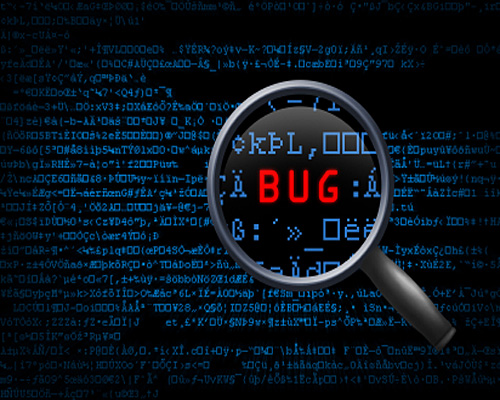
- QA Tester: Quality Assurance Technicians, or Testers, perform a vital role. They test, tune, debug and suggest the detailed refinements that ensure the quality and playability of the finished game. They play-test the game in a systematic way, analyzing the game’s performance against the designer’s intentions, identifying problems and suggesting improvements.
They test for bugs in the software, from complete crashes to minor glitches in the programme. They also act as the game’s first audience, reporting on its playability and identifying any aspects which could be improved.
Playing games all day for a living might sound like an ideal job, but this is in fact a highly disciplined role.
URL's: http://jobview.monster.co.uk/qa-tester-roles-for-all-ranges-of-experience!-london-job-battle-south-east-southern-uk-171960540.aspx?mescoid=1700192001001&jobPosition=19
Business Development
Business Development
- Public Relation Manager: Public relations is about managing reputation. A career in PR involves gaining understanding and support for clients, as well as trying to influence opinion and behavior. PR officers use all forms of media and communication to build, maintain and manage the reputation of their clients.
- Product Manager: The product manager is the person responsible for defining the 'why', 'what,' and 'when' of the Game that the engineering team will build. A product manager considers numerous factors such as intended demographic, the products offered by the competition, and how well the product fits with the company's business model.
- Marketing Executive: The executives are involved in the development of marketing campaigns to promote the game or brand. It could include roles such as: Planning, Advertising, Public Relations, Event organisation, Product development, distribution, sponsorship or research.
- Marketing Manager: The job of the marketing manager will be to plan the best ways of promoting the the product (Video Game in this case), or for example promoting the brand.

No comments:
Post a Comment